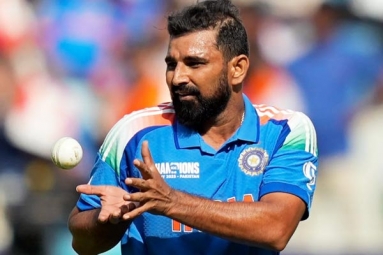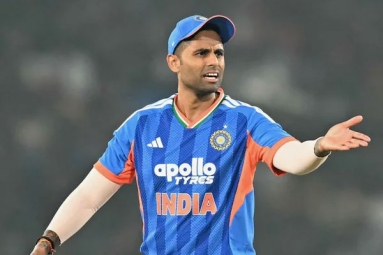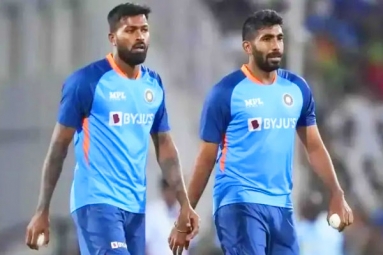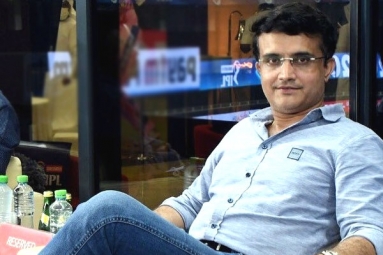

(Image source from: x.com/JayShah)
The Chair of the ICC, Jay Shah, is set to have a meeting with officials from the BCCI on Sunday, aiming to resolve the pressing issue of Bangladesh's hesitance to go to India for the T20 World Cup. Jay Shah will connect with BCCI officials in Vadodara during the first ODI match between India and New Zealand. He is visiting the city as a special guest of the Baroda Cricket Association. What began as a simple request has quickly turned into a delicate situation. Initially, the Bangladesh Cricket Board wrote to the ICC asking for a venue change, expressing a preference to move their matches out of India and suggesting Sri Lanka as a possible option. However, their second communication shifted the dynamics.
Bangladesh has been clear that their concerns extend beyond just logistical issues. The board expressed that their national pride has been affected, particularly due to the controversy following Mustafizur Rahman's sudden removal from the IPL. They are now asking for individual security for every member of their World Cup team if traveling to India becomes unavoidable. This includes players, coaches, support staff, and officials. The implication is clear: this matter goes beyond safety; it also involves respect. This is now the challenge that Jay Shah faces. The ICC has yet to provide an official response to the Bangladesh Board. His initial task will focus on reviewing the current tournament and security plans with both the BCCI and the ICC's operations team. This involves pinpointing where Bangladesh feels disregarded or inadequately assured, as well as assessing whether the ICC's previous communications have appeared more formal than understanding. However, simply reviewing documents will not be enough.
The more challenging aspect involves directly communicating with the Bangladesh board to create an agreement they can accept without feeling coerced. Any resolution must give Dhaka a sense of control, whether through well-defined security measures, open communication, or some flexibility in match arrangements, all while maintaining the World Cup's integrity. Bangladesh's role in this situation is incredibly significant. They have qualified for the tournament, and leaving them out could lead to complex legal and political issues. Such a decision would need a vote from the ICC Board and could upset relationships within both the ICC and the Asian Cricket Council. It could also create a problematic precedent for future events.
Adding to the difficulties is some pushback from Bangladesh's own leadership. Sports Advisor Asif Nazrul has voiced his opposition to the current plan, framing it as an insult to national pride. Jay Shah's position is crucial. He must operate not just as the representative of Indian cricket, but as an impartial mediator in global cricket, who can ease tensions and help rebuild trust.